
Introduction
You go through a cough that does not settle.
Medicines finish, but symptoms stay.
A scan report comes back unclear, and your doctor suggests a procedure called bronchoscopy.
It helps doctors look directly inside your airways and lungs. It gives answers when symptoms and scans do not match. This blog explains bronchoscopy in simple terms, why it is done, how it works, and what you can expect before and after the procedure.
You will also understand when a Pulmonologist in Mumbai recommends it and how specialists like Dr. Avya Bansal evaluate lung conditions using bronchoscopy.
What Is Bronchoscopy
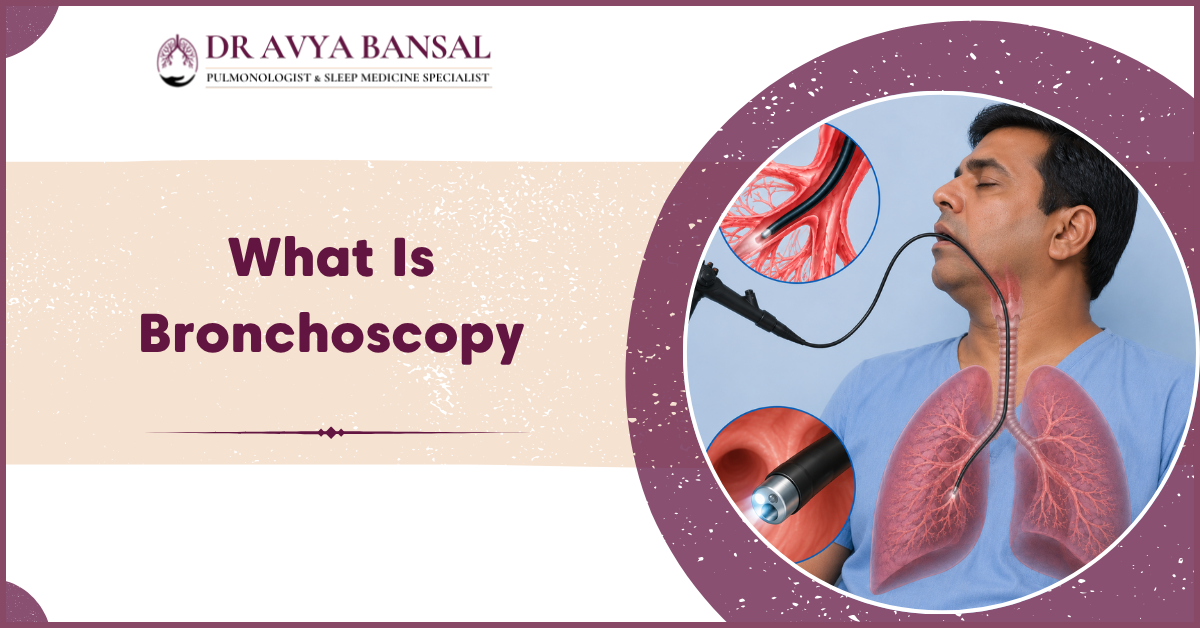
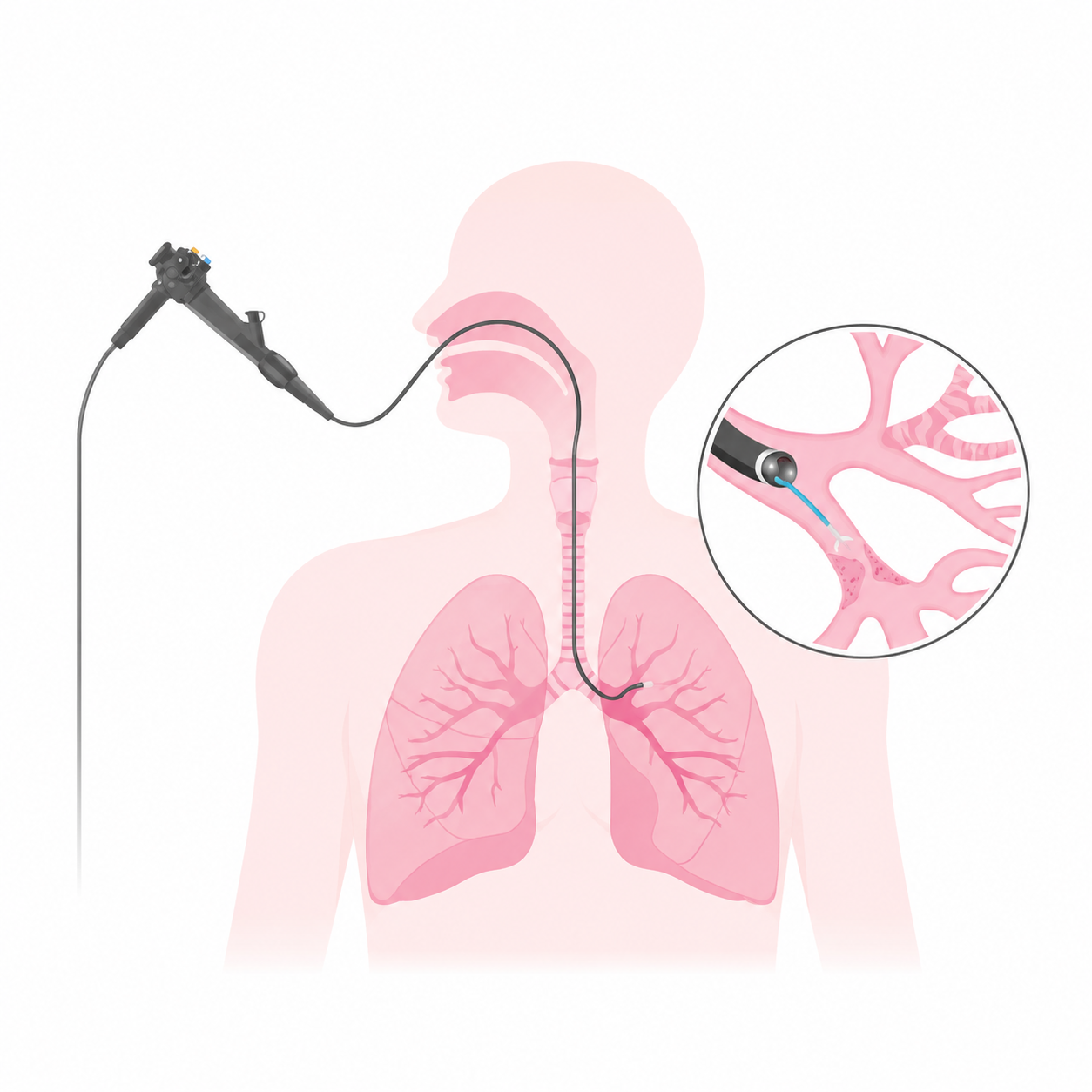
Bronchoscopy is a procedure used to examine the inside of your lungs and airways. A thin flexible tube with a camera is inserted through your nose or mouth. This tube is called a bronchoscope. It moves through your throat into the windpipe and deeper into the lungs.
The camera shows real-time images on a screen. A doctor can see inflammation, infection, bleeding, or blockages directly. It is not just for viewing. It also allows sample collection from lungs for testing.
When a Pulmonologist in Mumbai evaluates persistent respiratory symptoms, bronchoscopy often becomes a key diagnostic step.
In clinical practice, bronchoscopy helps reduce uncertainty in complex lung conditions.
The term bronchoscopy may sound technical, but the goal is simple: find the exact cause of breathing problems.
Why Bronchoscopy Is Done
Doctors recommend bronchoscopy when symptoms or tests do not give a clear answer.
A Pulmonologist in Mumbai may suggest bronchoscopy in the following situations:
1. Persistent cough that does not improve with treatment
If you have a cough lasting more than a few weeks, bronchoscopy helps check inside the airways.
2. Unclear chest scan results
CT scans may show shadows or blockages. It helps confirm what is actually present.
3. Suspected infection in lungs
Conditions like tuberculosis or fungal infections can be evaluated using bronchoscopy samples.
4. Coughing blood
Even small amounts of blood in a cough require careful evaluation through bronchoscopy.
5. Airway blockage
Mucus plugs or foreign particles can sometimes block airflow. IT helps locate and remove them.
6. Suspected lung growth
If there is concern about abnormal tissue, bronchoscopy allows biopsy for confirmation.
In all these cases, bronchoscopy helps move from guesswork to a clear diagnosis.
A specialist like Dr. Avya Bansal may recommend bronchoscopy only when it can add clear diagnostic value.
When a Doctor Recommends Bronchoscopy
Not every cough needs bronchoscopy. A Pulmonologist in Mumbai usually considers it after basic tests.
You may be advised bronchoscopy if:
- Symptoms continue despite treatment
- Imaging tests show abnormal findings
- Breathing difficulty has no clear cause
- Infections do not respond to medication
For example, Dr. Avya Bansal may first review your CT scan, then decide if bronchoscopy is required for further clarity.
How Bronchoscopy Is Performed
Bronchoscopy is usually done in a hospital or clinic setting. Before bronchoscopy, your throat is numbed using a local spray. You may also receive mild sedation to help you relax.
A bronchoscope is gently inserted through your nose or mouth. It moves slowly into your airways. During this procedure, the doctor observes the lungs on a monitor.
You may feel coughing or mild discomfort, but breathing continues normally. Small tools can pass through the bronchoscope. These tools help collect mucus or tissue samples.
A Pulmonologist in Mumbai performs bronchoscopy carefully while monitoring oxygen levels and heart rate. The procedure usually takes 20 to 40 minutes. After this, you are observed for a short period before going home.
What You Feel During and After Bronchoscopy
During bronchoscopy, the most common feeling is the urge to cough.
The throat may feel irritated for a short time. Sedation reduces discomfort, so most patients remain calm during the process. After bronchoscopy, you may notice:
- Mild sore throat
- Hoarseness in voice
- Small traces of blood in saliva after biopsy
These effects usually settle within a day. Most patients resume their normal routine within 24 hours. A Pulmonologist in Mumbai explains these sensations beforehand so you know what to expect and do not panic during recovery.
Safety and Recovery
This procedure is a commonly performed lung procedure. When done by an experienced specialist, risks remain low. Possible effects include mild bleeding or temporary throat irritation.
Serious complications are rare and monitored closely during the procedure. After bronchoscopy, you may be advised to avoid heavy meals for a few hours.
Warm fluids help ease throat discomfort. Results from bronchoscopy depend on what was found during the procedure. Some findings are visible immediately. Biopsy reports may take a few days. A Pulmonologist in Mumbai reviews the results and explains the next steps clearly based on your condition. In many cases, bronchoscopy provides answers that imaging alone cannot give.
Role of Specialists in Bronchoscopy Care
A bronchoscopy is not just a procedure. It is part of a larger diagnostic approach to lung health. A Pulmonologist in Mumbai plays an important role in deciding when and why bronchoscopy is needed. Specialists like Dr. Avya Bansal focuses on connecting symptoms with internal airway findings. This helps in detecting infections early, confirming lung diseases, and planning treatment without delay. This also helps avoid unnecessary medication when the cause of symptoms is unclear.
FAQs
Conclusion
Bronchoscopy helps look inside the lungs when symptoms stay unclear. It supports accurate diagnosis of infections, bleeding, airway blockage, and other lung conditions.
A Pulmonologist in Mumbai uses bronchoscopy as a focused tool to understand what is happening inside your airways. Specialists like Dr. Avya Bansal rely on it when detailed lung evaluation is needed. When you understand how bronchoscopy works, the procedure becomes easier to approach and less stressful. Clear diagnosis leads to better decisions and timely treatment for lung health.