

Walking Pneumonia: Causes, Symptoms, and Treatment Options
Introduction
You may notice a cough that refuses to go away. You still go to work. You still manage daily life. You think it is a normal cold. But sometimes, it is not.
This condition may be Walking pneumonia, a mild but persistent lung infection that often goes unnoticed in early stages.
Understanding it matters because delayed diagnosis can prolong recovery and affect lung health. Many patients ignore symptoms until they worsen.
In this blog, you will learn the causes, symptoms, diagnosis process, and treatment options. You will also understand when to consult a specialist like a Pulmonologist in Mumbai or seek timely medical care.
What is Walking Pneumonia
Walking pneumonia is a mild respiratory infection that affects the lungs and airways.
It is called “walking” pneumonia because patients are often able to continue daily activities without realizing they are infected.
The most common cause is Mycoplasma pneumoniae, a slow-growing bacterium.
Unlike typical pneumonia, symptoms develop gradually and may stay mild for weeks.
Some patients only seek help when the cough becomes persistent and disrupts sleep or work.
Causes of Walking Pneumonia
Walking pneumonia spreads easily in close-contact environments.
Common causes include:
- Infection from Mycoplasma pneumoniae bacteria
- Droplet transmission through coughing or sneezing
- Close contact in schools, offices, and public transport
- Poor indoor ventilation
- Weak immune response
People often get infected without realizing exposure.
In some cases, repeated exposure in crowded places increases risk.
Early evaluation at a clinic offering Pneumonia Treatment in Mumbai helps prevent progression and spread.
Symptoms You Should Watch Carefully
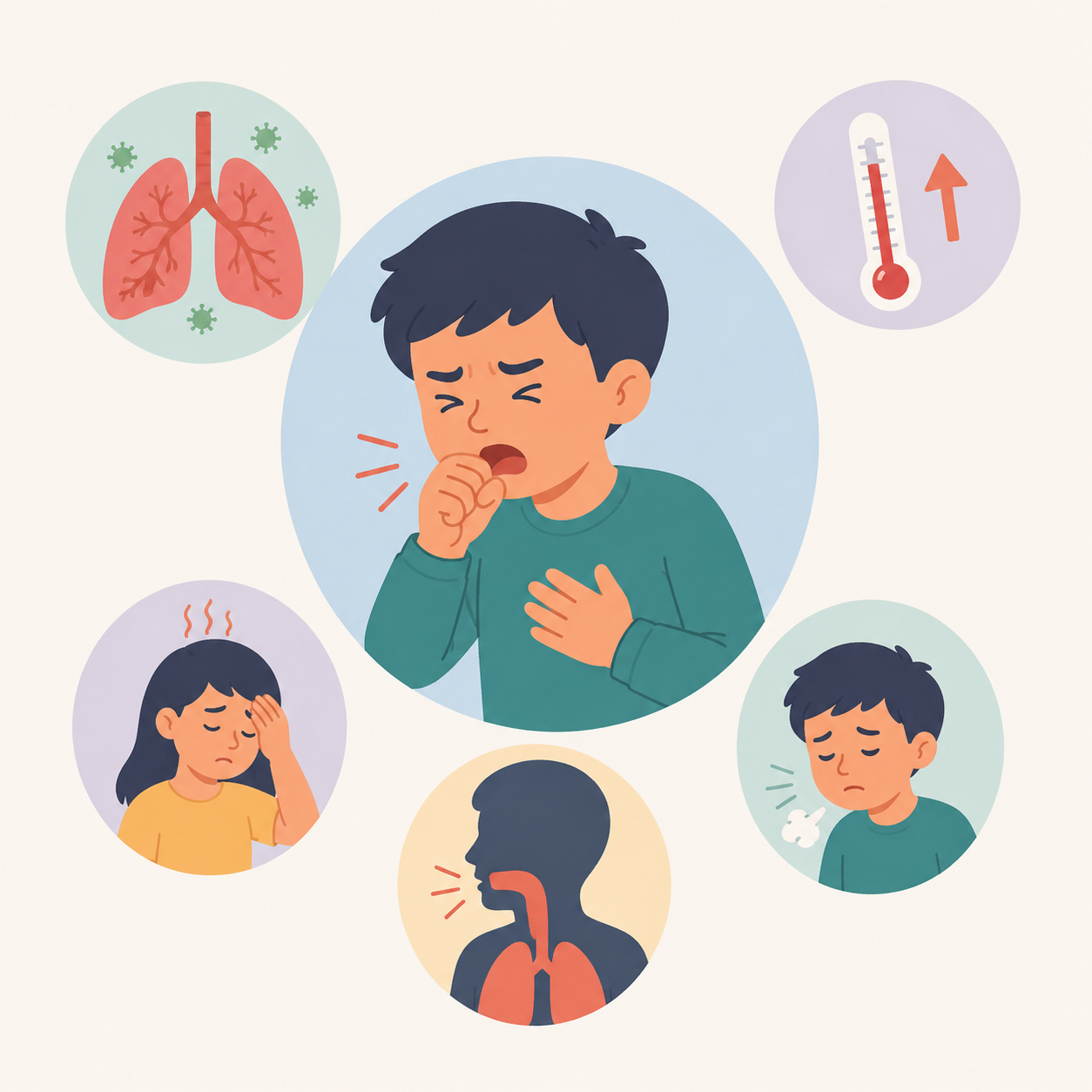
Symptoms develop slowly and may feel mild at first.
Common signs include:
- Dry, persistent cough lasting more than 1–2 weeks
- Mild fever or no fever at all
- Fatigue that does not improve with rest
- Sore throat and headache
- Chest discomfort while coughing
- Reduced appetite
A key warning sign is a cough that continues longer than a normal viral infection.
Many patients delay consultation because symptoms feel manageable.
Doctors often see cases where patients initially assume it is seasonal flu.
How Doctors Diagnose It
Diagnosis is based on clinical evaluation and tests.
Doctors may check:
- Duration and type of cough
- Breathing pattern and lung sounds
- Exposure history
Common investigations include:
- Chest X-ray
- Blood tests
- Specific bacterial tests in some cases
Sometimes, chest X-ray findings appear mild compared to symptoms, which can delay diagnosis.
Consulting a specialist such as Dr. Avya Bansal or a respiratory expert helps in accurate evaluation and early treatment planning.
Treatment Options for Walking Pneumonia
Treatment depends on symptom severity and patient condition.
Antibiotic Therapy
Doctors prescribe antibiotics to target the bacterial infection.
Common options include macrolides or tetracycline-based medicines.
Completing the full course is important even if symptoms improve early.
Symptom Management
Supportive care includes:
- Fever control medication
- Cough relief treatment
- Adequate hydration
Rest and Recovery
Recovery improves when you:
- Take proper rest
- Avoid physical strain
- Maintain hydration
- Eat light, nutritious meals
Lifestyle Support
Simple steps can speed up healing:
- Avoid smoking and polluted air
- Use steam inhalation for chest comfort
- Keep indoor air clean and ventilated
Patients under Pneumonia Treatment in Mumbai programs often recover within a few weeks with proper care.
Possible Complications if Ignored
Although mild, untreated infection can cause issues.
Possible complications include:
- Long-lasting cough
- Increased fatigue
- Secondary bacterial infection
- Worsening lung inflammation
- Asthma flare-ups in sensitive individuals
Early medical attention reduces these risks significantly.
Prevention and Risk Reduction
You can reduce risk through simple daily habits:
- Wash hands regularly
- Wear a mask in crowded areas
- Maintain ventilation in closed spaces
- Avoid close contact with infected individuals
- Strengthen immunity with sleep and nutrition
People in high-exposure environments benefit from preventive care and early screening.
When You Should See a Doctor
You should not ignore symptoms if:
- Cough lasts more than 10–14 days
- Fever returns or persists
- Fatigue increases over time
- Breathing feels uncomfortable
At this stage, consulting a Pulmonologist in Mumbai becomes important for proper diagnosis and treatment.
FAQs
Conclusion
Walking pneumonia often starts silently. A simple cough may continue longer than expected and affect your daily energy.
Recognizing early symptoms and seeking timely care makes a major difference in recovery.
Whether you consult a general physician or a Pulmonologist in Mumbai, early diagnosis helps prevent complications and ensures better lung health.