

Steroid-Resistant Asthma: Why Your Asthma May Not Improve With Steroids
Introduction
You use your inhaler regularly, avoid triggers, and follow your asthma treatment plan, yet you still experience coughing, wheezing, or breathing difficulty. This can happen in people with steroid-resistant asthma, a condition where asthma symptoms continue despite the use of corticosteroid medicines.
Steroids are one of the main treatments used to control airway inflammation, but some people do not respond well to them. Understanding why this happens can help you recognise warning signs, manage triggers, and explore suitable treatment options.
This blog explains what steroid-resistant asthma is, its symptoms, causes, lifestyle factors, diagnosis, and available treatment approaches.
What Is Steroid-Resistant Asthma?
Steroid-resistant asthma is a type of asthma where symptoms do not improve enough even after using prescribed corticosteroid medicines correctly.
Steroids usually work by reducing inflammation inside the airways. They help decrease swelling, mucus production, and breathing difficulties. In some people, the airway inflammation continues despite steroid treatment, making asthma harder to control.
It is important to understand that uncontrolled asthma does not always mean steroid resistance. Sometimes, symptoms continue because of incorrect inhaler technique, missed doses, ongoing exposure to triggers, or an incorrect diagnosis.
A detailed evaluation by a respiratory specialist can help identify the actual reason behind poor asthma control.
Why Do Steroids Sometimes Not Work for Asthma?
Several factors can affect how your body responds to asthma medicines.
1. Ongoing Airway Inflammation
Asthma involves inflammation of the airways. In steroid-resistant asthma, certain inflammatory pathways may continue to remain active even after steroid use.
This can lead to:
- Frequent asthma symptoms
- Persistent coughing
- Chest tightness
- Shortness of breath
- Repeated asthma flare-ups
2. Incorrect Inhaler Technique
Many people use inhalers incorrectly without realising it. If the medicine does not reach the lungs properly, asthma may appear difficult to control.
Common mistakes include:
- Not inhaling at the right time
- Incorrect breathing technique
- Not using a spacer when advised
- Not following the prescribed schedule
Your doctor can check your inhaler technique and suggest corrections.
3. Exposure to Asthma Triggers
Daily exposure to triggers can reduce asthma control.
Common triggers include:
- Dust mites
- Air pollution
- Smoke exposure
- Pet allergens
- Mold
- Strong chemical smells
Identifying and reducing exposure to triggers is an important part of asthma management.
Signs You May Have Steroid-Resistant Asthma
Steroid-resistant asthma can present with symptoms similar to other forms of asthma. The difference is that symptoms continue despite proper treatment.
Look out for these signs:
Frequent Breathing Problems
You may experience:
- Wheezing even after taking medicines
- Regular coughing episodes
- Difficulty breathing during routine activities
- Night-time asthma symptoms
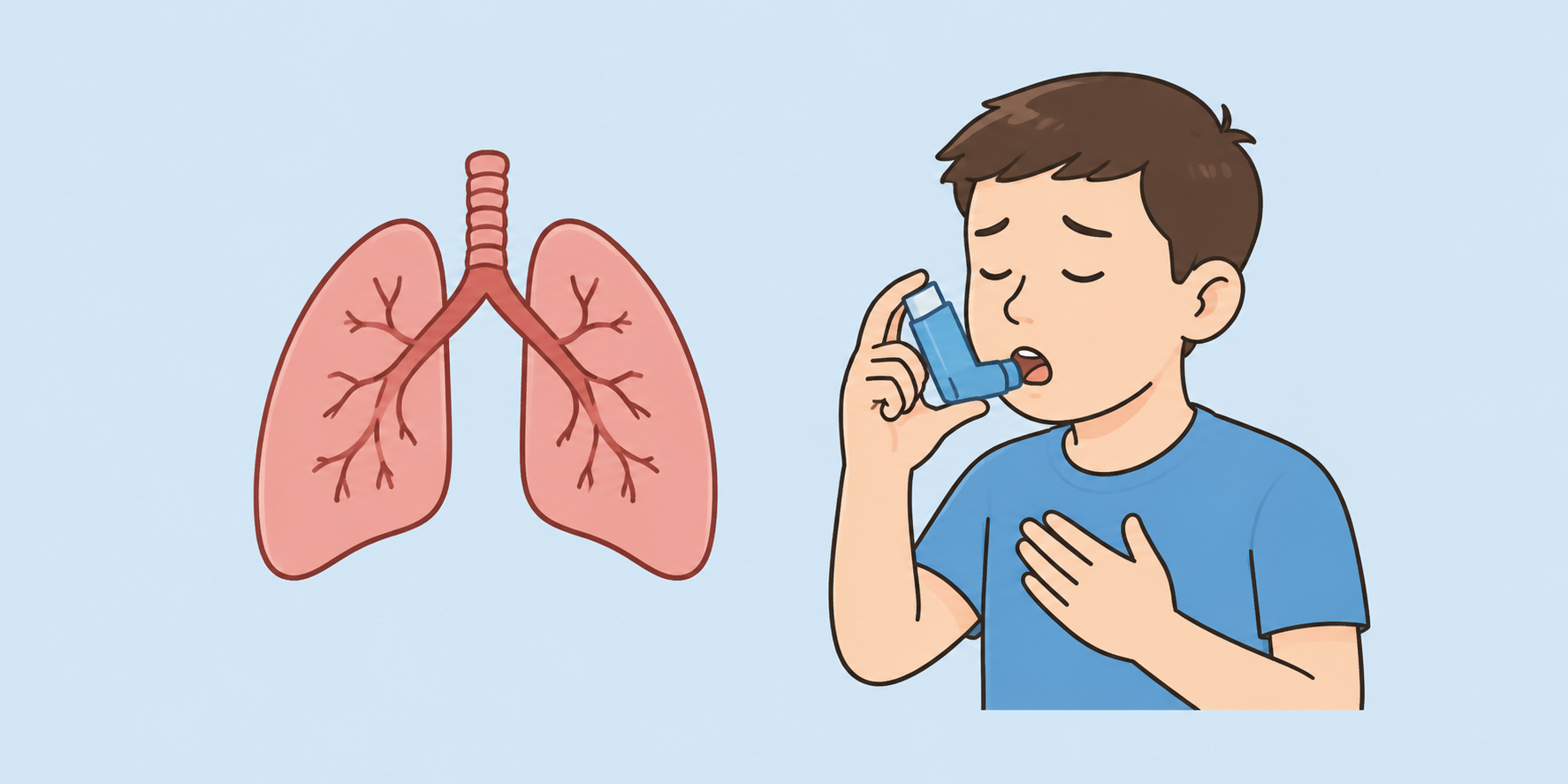
Frequent Use of Rescue Inhalers
A rescue inhaler provides quick relief during asthma symptoms. If you need it often, it may indicate that your asthma is not well controlled.
Frequent dependence on rescue medication should be discussed with a healthcare professional.
Repeated Asthma Attacks
People with poorly controlled asthma may experience repeated flare-ups that affect daily activities.
If asthma attacks continue despite regular treatment, your doctor may review your current management plan.
How Is Steroid-Resistant Asthma Diagnosed?
Diagnosis involves more than checking whether steroids are working.
A doctor may evaluate:
Medical History
Your doctor will ask about:
- Duration of asthma symptoms
- Previous treatments
- Frequency of asthma attacks
- Possible environmental triggers
Lung Function Tests
Tests such as spirometry help measure how well your lungs are working.
These tests can show:
- Airflow limitation
- Severity of asthma
- Response to medicines
Allergy and Inflammation Testing
Doctors may recommend tests to understand the type of airway inflammation involved.
These may include:
- Allergy testing
- Blood eosinophil tests
- FeNO testing
A proper diagnosis helps create a treatment plan based on your specific condition.
Lifestyle Factors That Affect Asthma Control
Your daily habits can influence asthma symptoms and treatment response.
Avoid Smoke Exposure
Smoking and second-hand smoke can irritate the airways and worsen asthma symptoms. Avoiding tobacco exposure can support better lung health.
Improve Indoor Air Quality
Your home environment can affect asthma control.
Helpful steps include:
- Cleaning dust regularly
- Reducing mold growth
- Washing bedding frequently
- Maintaining proper ventilation
Manage Stress and Sleep
Stress can trigger asthma symptoms in some people. Poor sleep can also affect asthma control.
Try maintaining a regular sleep schedule and using relaxation techniques such as breathing exercises or meditation.
Maintain Physical Activity
Many people with asthma avoid exercise because they fear breathing problems.
With proper guidance, activities such as walking, swimming, and light exercises can support overall lung health. The goal is not to avoid activity but to maintain asthma control while staying active.
Treatment Options for Steroid-Resistant Asthma
Treatment depends on the severity of asthma, symptoms, and underlying causes.
A personalised asthma plan may include:
Reviewing Current Medicines
Your doctor may check:
- Whether you are using medicines correctly
- Whether your current dosage is suitable
- Whether other conditions are affecting your symptoms
Advanced Asthma Medicines
Some patients may benefit from biologic therapies. These medicines target specific immune pathways involved in asthma inflammation. They may be considered for people with severe asthma who do not respond well to standard treatments.
Regular Monitoring
Asthma can change over time. Regular follow-ups help doctors adjust treatment and reduce the risk of flare-ups.
If you are looking for a Pulmonologist in Mumbai for uncontrolled asthma symptoms, proper evaluation can help identify the right treatment approach.
Asthma Treatment in Mumbai: When Should You Seek Medical Advice?
You should consult an asthma specialist if:
- Your symptoms continue despite regular medicines
- You frequently use your rescue inhaler
- Asthma affects your sleep or daily activities
- You experience repeated flare-ups
- Your breathing problems are becoming worse
Early assessment can help prevent complications and improve asthma control.
Specialists such as Dr. Avya Bansal focus on evaluating respiratory conditions and helping patients manage complex asthma symptoms through personalised care.
Frequently Asked Questions About Steroid-Resistant Asthma
Conclusion
Steroid-resistant asthma is a condition where asthma symptoms continue despite proper steroid treatment. Persistent coughing, frequent flare-ups, and ongoing breathing difficulties should not be ignored.
Understanding triggers, using inhalers correctly, maintaining healthy lifestyle habits, and getting expert medical guidance can help improve asthma management.
If your asthma is not responding as expected, consult a qualified respiratory specialist for a detailed evaluation and a treatment plan suited to your needs.