
What is Spirometry: A Key Tool in Pulmonary Health
Introduction
You notice breathlessness while climbing stairs. You slow down more than before. You think it is tiredness or pollution. Weeks pass, and the feeling stays.
This is where lung function testing becomes important.
Spirometry helps measure how your lungs move air in and out. It gives doctors a clear picture of airway health and breathing strength.
In this blog, you will understand what Spirometry is, how it works, what it detects, and how doctors interpret the results. You will also learn when you should consider visiting a Pulmonologist in Mumbai and how specialists like Dr. Avya Bansal evaluate lung health using this test.
Understanding Spirometry in Simple Terms
Spirometry is a lung function test that measures airflow. It checks how much air you can breathe out and how fast you can empty your lungs.
You breathe into a device called a spirometer. It records lung performance in real time. Doctors use it to understand if your airways are open or blocked.
When airways narrow, breathing becomes harder. This test helps detect that change early.
A Pulmonologist in Mumbai often uses it as a first step before advanced scans or treatment decisions.
How the Spirometry Test is Performed
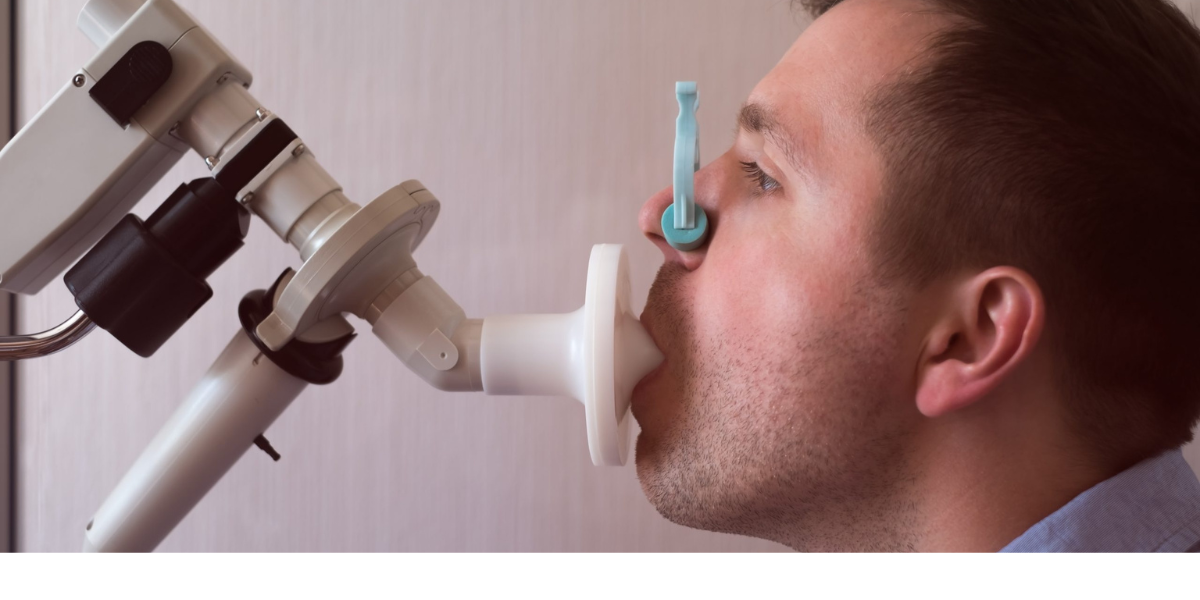
The test takes around 10 to 15 minutes. It is simple but needs effort and correct technique.
Steps you follow:
- Sit upright on a chair
- Place a clip on your nose
- Take a deep breath in
- Blow out forcefully into the mouthpiece
- Continue until lungs feel empty
You repeat this process multiple times for accuracy.
Many patients do not blow hard enough in the first attempt. The technician guides you and repeats the test until correct readings are captured.
Spirometry does not involve needles or medication. It only measures breathing performance.
A Pulmonologist in Mumbai may request repeat testing if symptoms do not match results.
Why Doctors Recommend Spirometry
Spirometry is not only for diagnosis. It is also used for monitoring lung health over time.
Doctors recommend it when you have:
- Long-lasting cough
- Shortness of breath during routine activity
- Wheezing sounds while breathing
- Chest tightness without clear reason
- History of smoking or pollution exposure
It also helps before surgeries to check breathing capacity.
In clinical practice, Spirometry often helps identify problems before symptoms become severe. Dr. Avya Bansal and other respiratory specialists use this test to connect symptoms with actual lung function patterns instead of guessing based on complaints alone.
Conditions Detected Through Spirometry
Spirometry helps identify both reversible and long-term lung conditions.
Asthma
Airways become narrow but improve after medication. Spirometry shows this reversibility clearly.
COPD
Airflow remains blocked over time. Results show reduced breathing capacity that does not fully improve.
Restrictive Lung Disease
Lungs cannot expand properly. Spirometry shows reduced lung volume.
Occupational Lung Issues
Dust, smoke, or chemical exposure affects breathing over time. Spirometry detects early damage.
Treatment Monitoring
Doctors repeat Spirometry to see if inhalers or medication are working effectively.
A Pulmonologist in Mumbai uses these patterns to decide whether treatment needs adjustment or further investigation.
What Spirometry Results Actually Mean
Spirometry gives numbers, but interpretation matters more than values.
FEV1
Shows how much air you can force out in one second. Lower values suggest obstruction.
FVC
Shows total air exhaled after deep breathing.
FEV1/FVC Ratio
Helps differentiate between blocked and restricted lungs.
Doctors compare your results with expected values based on age, height, and gender.
Patterns seen in Spirometry help doctors decide next steps instead of relying only on symptoms. For example, someone may feel breathless but still show near-normal Spirometry. In such cases, further evaluation is needed.
This is why specialists like Dr. Avya Bansal often combine Spirometry results with clinical examination before final diagnosis.
What You Experience During the Test
Spirometry is simple but requires effort.
You may feel:
- Tired after repeated blowing attempts
- Light dizziness if breathing forcefully multiple times
- Pressure to follow exact instructions
Technicians guide you throughout the process. Most patients need 3 to 5 attempts for accurate results. A Pulmonologist in Mumbai may repeat the test on a different day if symptoms and results do not match.
Why Spirometry Matters in Daily Life
Lung problems often develop slowly. You adjust without noticing changes.
You may avoid stairs, reduce walking speed, or take frequent breaks without realizing it.
Spirometry brings clarity by showing how much air your lungs actually move.
It helps answer questions like:
- Why do I feel breathless during light activity?
- Is my cough linked to airway narrowing?
- Are my lungs aging faster than expected?
Early testing helps prevent long-term damage. Dr. Avya Bansal and other pulmonology experts rely on Spirometry to track these changes before they affect quality of life.
FAQs on Spirometry
Conclusion
Spirometry gives a clear view of how your lungs are functioning. It helps detect airway problems early and supports accurate treatment decisions.
If you notice changes in breathing, cough, or stamina, a simple lung test can provide answers that are often missed in daily life.
Consulting a Pulmonologist in Mumbai helps you understand these results in the right context and plan the next step in care.
Specialists like Dr. Avya Bansal use Spirometry as a key tool to connect symptoms with actual lung performance, helping patients take timely action for better breathing health.