
Sleep Apnea in Young Adults: Symptoms, Signs & Treatment
Introduction
You sleep for 7 to 8 hours, but still wake up tired.
You feel low energy during the day even when your routine looks normal.
This is often ignored as stress, overwork, or poor lifestyle.
In many young adults, the real reason can be a sleep-related breathing disorder.
Sleep-related breathing issues are becoming more common due to lifestyle changes, irregular sleep cycles, and rising stress levels.
One of the key conditions linked to this is apnea which falls under broader Sleep Disorders.
Understanding early signs helps you avoid long-term health impact and improves daily functioning.
This guide explains symptoms, warning signs, causes, and treatment options in a simple way.
It also helps you understand when you should seek help from a Sleep Disorders Specialist in Mumbai, such as Dr. Avya Bansal, for proper evaluation and care.
What happens in sleep apnea
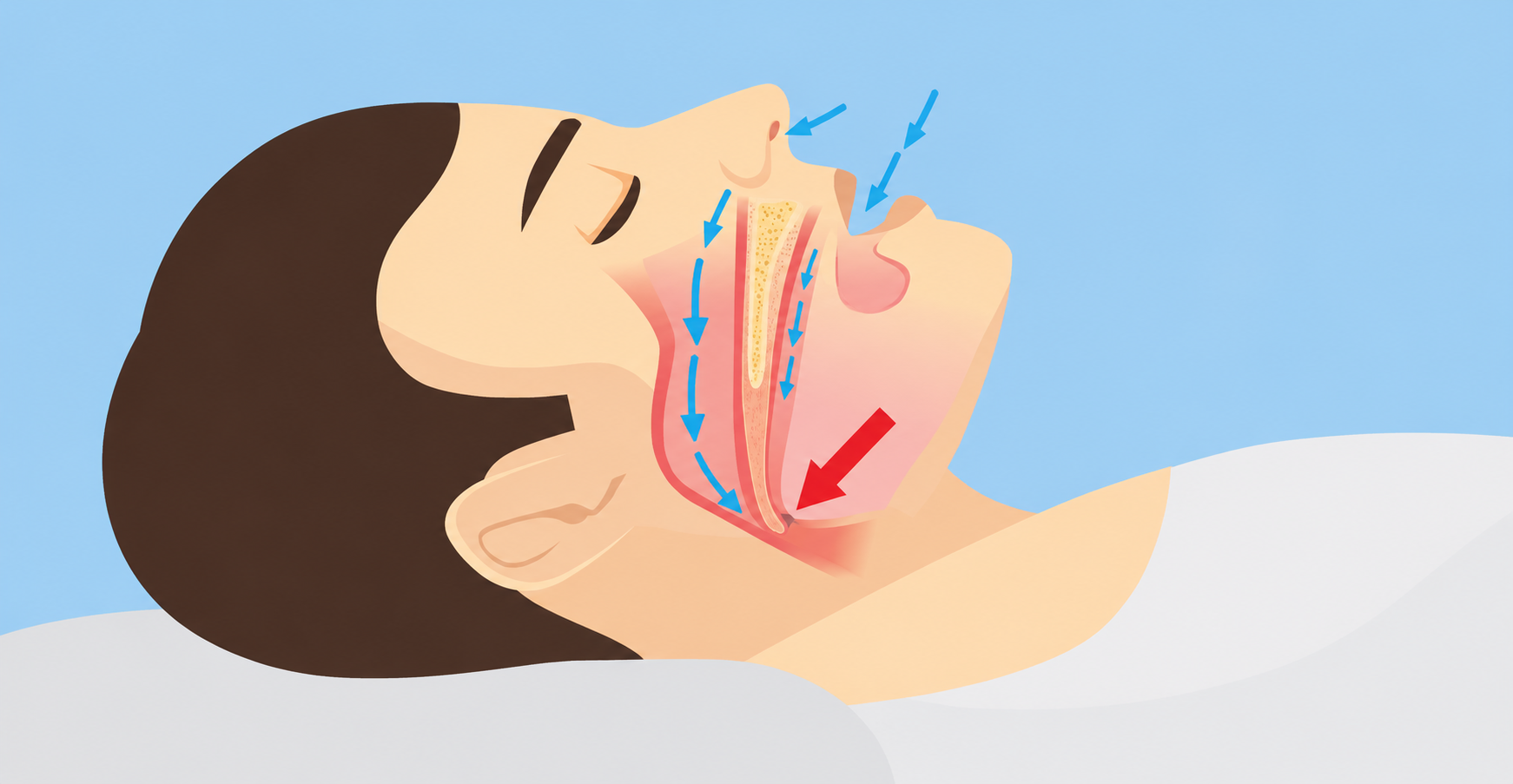
Sleep apnea occurs when breathing repeatedly stops during sleep.
This happens because the airway becomes partially or completely blocked or because the brain does not send proper signals to breathe.
In young adults, the most common type is obstructive sleep apnea.
Here, throat muscles relax during sleep and block airflow.
Each pause reduces oxygen levels in the body.
Your brain briefly wakes you up to restart breathing.
You do not remember these awakenings, but your sleep becomes broken and incomplete.
Over time, this affects energy, focus, and mental clarity.
Many people confuse it with general Sleep Disorders or poor sleep habits, delaying diagnosis.
Early symptoms you should notice
Sleep apnea symptoms often appear gradually. Many people ignore them until they start affecting daily life.
Night-time signs
- Loud and frequent snoring
- Breathing pauses noticed by others
- Gasping or choking during sleep
- Restless sleep with frequent turning
- Dry mouth in the morning
Day-time signs
- Constant fatigue even after long sleep
- Morning headaches
- Difficulty concentrating in work or studies
- Irritability and mood changes
- Falling asleep during inactive moments
These symptoms may look simple but indicate disrupted sleep cycles.
If they continue regularly, it is important to evaluate for Sleep Disorders early.
Causes in young adults
Sleep apnea is not limited to older age groups. In young adults, several factors contribute to airway blockage during sleep.
Common causes include:
- Excess weight around the neck area
- Irregular sleep schedule and late-night screen use
- Nasal congestion due to allergies or pollution
- Enlarged tonsils or structural airway issues
- Alcohol or sedative use before sleep
- Family history of Sleep Disorders
Even individuals with normal body weight can develop sleep apnea due to jaw structure or airway anatomy.
Urban lifestyle factors often increase the risk without being noticed early.
Effects on daily life and health
Sleep apnea affects more than just sleep quality. It impacts physical and mental health over time.
You may experience:
- Reduced memory and focus
- Lower productivity in work or studies
- Increased daytime sleepiness
- Poor decision-making in routine tasks
- Emotional imbalance and irritability
On a physical level, repeated oxygen drops increase stress on the heart and brain.
This raises the risk of long-term complications if left untreated.
Diagnosis of sleep apnea
Diagnosis involves a sleep study that monitors breathing patterns during sleep.
Common tests include:
- Polysomnography conducted in a sleep lab
- Home-based sleep monitoring devices
These tests measure:
- Breathing interruptions
- Oxygen levels
- Heart rate
- Sleep stages
Doctors use the Apnea-Hypopnea Index (AHI) to determine severity:
- Mild: 5–15 events per hour
- Moderate: 15–30 events per hour
- Severe: more than 30 events per hour
Treatment options available
Treatment depends on severity and underlying cause.
Lifestyle changes
- Maintain healthy body weight
- Sleep on your side instead of your back
- Avoid alcohol before bedtime
- Follow a fixed sleep schedule
- Reduce screen exposure before sleep
Medical treatments
- CPAP therapy to maintain open airway
- Oral devices that adjust jaw position during sleep
Surgical options
- Tonsil or nasal surgery in selected cases
- Airway correction procedures for structural issues
Treatment is personalized based on evaluation by a Sleep Disorders Specialist in Mumbai.
Doctors like Dr. Avya Bansal focus on identifying root causes and choosing the most suitable approach.
When you should seek help
You should not ignore symptoms if:
- Snoring is loud and frequent
- You feel tired despite proper sleep hours
- Someone notices breathing pauses during sleep
- Daytime sleepiness affects your routine
Early consultation helps prevent worsening of Sleep Disorders and improves quality of life.
FAQs
Conclusion
Sleep apnea in young adults often goes unnoticed because early signs look like routine tiredness or stress.
Ignoring symptoms can affect sleep quality, mental clarity, and long-term health.
Simple lifestyle changes can help in mild cases, while medical treatment may be needed for moderate to severe conditions.
A proper sleep study helps identify the exact issue and guides treatment.
If symptoms persist, consulting a Sleep Disorders Specialist in Mumbai such as Dr. Avya Bansal can help you understand the condition clearly and choose the right care approach for better sleep and daily performance.