
Seasonal Allergies and Lung Health: Triggers, Symptoms and Treatment Options
Introduction
Do you experience repeated coughing, breathing difficulty, or chest tightness during weather changes? Seasonal allergies are often considered a minor problem, but they can directly affect your lungs and worsen existing respiratory conditions.
Changes in pollen levels, humidity, air pollution, and mold exposure can irritate your airways and trigger breathing problems.
Understanding seasonal allergy triggers, symptoms, and preventive measures can help you protect your lung health and seek timely medical care when needed.
What Are Seasonal Allergies and How Do They Affect Your Lungs?
Seasonal allergies occur when your immune system reacts to airborne substances such as pollen, mold spores, and dust particles. When you inhale these allergens, your body releases chemicals that cause inflammation.
This inflammation can affect your respiratory system by:
- Narrowing the airways
- Increasing mucus production
- Causing airway sensitivity
- Triggering coughing and breathing discomfort
While some people experience mild symptoms like sneezing or nasal congestion, others may develop lung-related symptoms such as wheezing, chest tightness, and shortness of breath.
People with asthma are more likely to experience worsening symptoms because their airways are already sensitive.
If you notice that your breathing changes during certain seasons, identifying your triggers can help you manage symptoms better.
Common Seasonal Allergy Triggers That Affect Lung Health
Different environmental factors can trigger allergy-related breathing problems. Understanding these triggers can help you reduce exposure.
1. Pollen Exposure
Pollen is one of the most common seasonal allergy triggers. Trees, grasses, and weeds release pollen particles that travel through the air.
When pollen enters your respiratory system, it can irritate the airways and cause:
- Dry cough
- Wheezing
- Chest discomfort
- Increased mucus production
Pollen levels may increase during specific seasons, especially on dry and windy days. Spending long hours outdoors during high pollen periods can increase symptoms.
2. Mold and Humidity
Mold growth increases in damp and humid conditions. Monsoon weather, water leakage, and poor ventilation can encourage mold formation indoors.
Mold spores can enter your lungs and trigger inflammation, leading to:
- Persistent cough
- Throat irritation
- Breathing difficulty
- Asthma flare-ups
Keeping your home dry and improving ventilation can help reduce mold exposure.
3. Dust and Indoor Allergens
Dust mites are common indoor allergens found in mattresses, carpets, pillows, and upholstered furniture.
Exposure to dust can trigger:
- Sneezing
- Nasal congestion
- Night-time coughing
- Breathing discomfort
Regular cleaning, washing bedding, and reducing dust accumulation can support better respiratory health.
4. Air Pollution
Pollution can worsen seasonal allergy symptoms by irritating the airways. Smoke, vehicle emissions, and fine particles in the air can increase lung sensitivity.
People with asthma or allergic respiratory conditions may notice increased coughing and breathlessness during periods of poor air quality.
Symptoms of Seasonal Allergies That Affect Your Lungs
Seasonal allergies can affect your upper and lower respiratory system. Recognising symptoms early can help you manage them before they become severe.
Persistent Cough
A cough caused by allergies may continue for several weeks, especially when you are exposed to triggers. It may become worse at night or after outdoor activities.
Wheezing
Wheezing is a whistling sound while breathing. It occurs when air moves through narrowed airways.
Frequent wheezing can indicate airway inflammation and should be evaluated by a healthcare professional.
Shortness of Breath
Some people experience difficulty breathing during allergy seasons. You may notice breathlessness while walking, exercising, or performing routine activities.
Chest Tightness
A feeling of pressure or tightness in the chest can occur when allergies affect the airways. This symptom is commonly seen in people with asthma.
Increased Mucus Production
Allergic reactions can increase mucus production, causing throat clearing, coughing, and discomfort while breathing.
How Seasonal Allergies Can Trigger Asthma Symptoms
Seasonal allergies and asthma are closely connected. Allergens can increase inflammation inside the airways, making them more sensitive.
This can trigger asthma symptoms such as:
- Frequent coughing
- Difficulty breathing
- Wheezing episodes
- Chest tightness
For people with asthma, controlling allergy triggers is an important part of maintaining better lung function.
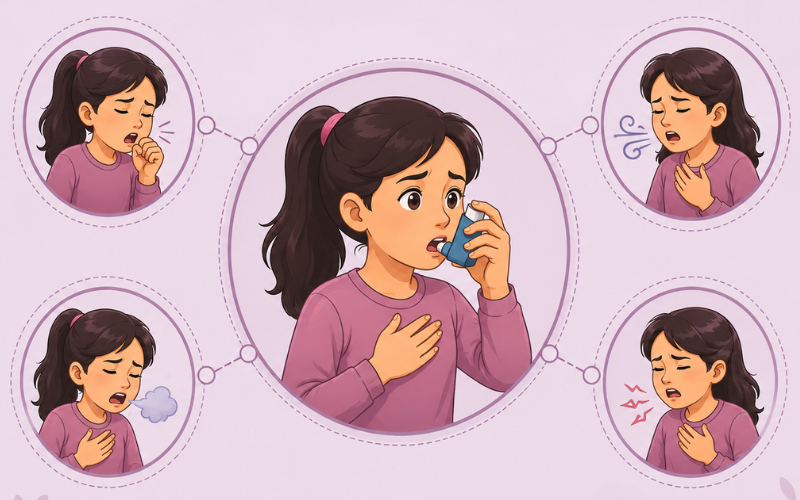
If your symptoms occur repeatedly during a particular season, a respiratory evaluation can help identify the underlying cause.
Allergy Symptoms or Infection: How Can You Tell the Difference?
Many people confuse allergy symptoms with respiratory infections. Knowing the difference can help you take the right steps.
| Seasonal Allergy | Respiratory Infection |
|---|---|
| Usually triggered by allergens | Often caused by viruses or bacteria |
| Repeated symptoms during specific seasons | Sudden symptoms |
| Usually no fever | Fever may occur |
| Clear mucus is common | Thick mucus may develop |
| Improves after avoiding triggers | May require infection treatment |
If your cough continues for a long time or affects your daily routine, consult a doctor for proper evaluation.
Diagnosis and Treatment for Allergy-Related Lung Problems
A doctor will first understand your symptoms, medical history, and possible triggers.
Diagnosis may include:
- Physical examination
- Lung function tests such as spirometry
- Allergy testing
- Asthma evaluation
Treatment depends on your symptoms and the severity of your condition.
Management may include:
Avoiding Allergy Triggers: Reducing exposure to pollen, dust, mold, and pollution can help control symptoms.
Medications: Doctors may recommend medicines such as antihistamines, nasal sprays, or inhalers depending on your condition.
Asthma Management: If allergies trigger asthma symptoms, a personalized asthma treatment plan can help prevent flare-ups.
For accurate evaluation and treatment of allergy-related breathing problems, consulting a qualified respiratory specialist is important. A Pulmonologist in Mumbai can assess your lung health and recommend suitable treatment based on your symptoms.
Tips to Protect Your Lungs During Allergy Season
You can reduce allergy-related breathing problems with simple daily habits:
- Check air quality and pollen levels before outdoor activities
- Wear a mask in polluted areas
- Keep indoor spaces clean and dry
- Wash your face and hands after outdoor exposure
- Avoid smoking and second-hand smoke
- Follow prescribed medications regularly
- Maintain good hydration
Small changes in your routine can reduce exposure to common triggers.
When Should You Consult a Pulmonologist?
Seasonal allergy symptoms should not be ignored when they start affecting your breathing.
You should consider medical advice if you experience:
- Frequent episodes of breathlessness
- Repeated wheezing
- Persistent cough lasting several weeks
- Sleep disturbance due to coughing
- Reduced ability to exercise
- Increasing dependence on inhalers
A respiratory specialist can help determine whether your symptoms are due to allergies, asthma, or another lung condition.
Dr. Avya Bansal focuses on diagnosing and managing respiratory conditions with a patient-centred approach. Proper evaluation can help identify triggers and create a treatment plan that supports long-term lung health.
FAQs About Seasonal Allergies and Lung Health
Conclusion
Seasonal allergies can affect more than your nose and eyes. They can influence your lung health by causing airway inflammation, coughing, wheezing, and breathing difficulties. Identifying your triggers, maintaining healthy habits, and seeking medical advice at the right time can help you manage symptoms effectively.
If seasonal allergies are affecting your breathing or daily activities, consult a respiratory specialist for proper diagnosis and treatment. With the right approach, you can protect your lungs and maintain better respiratory health throughout the year.