
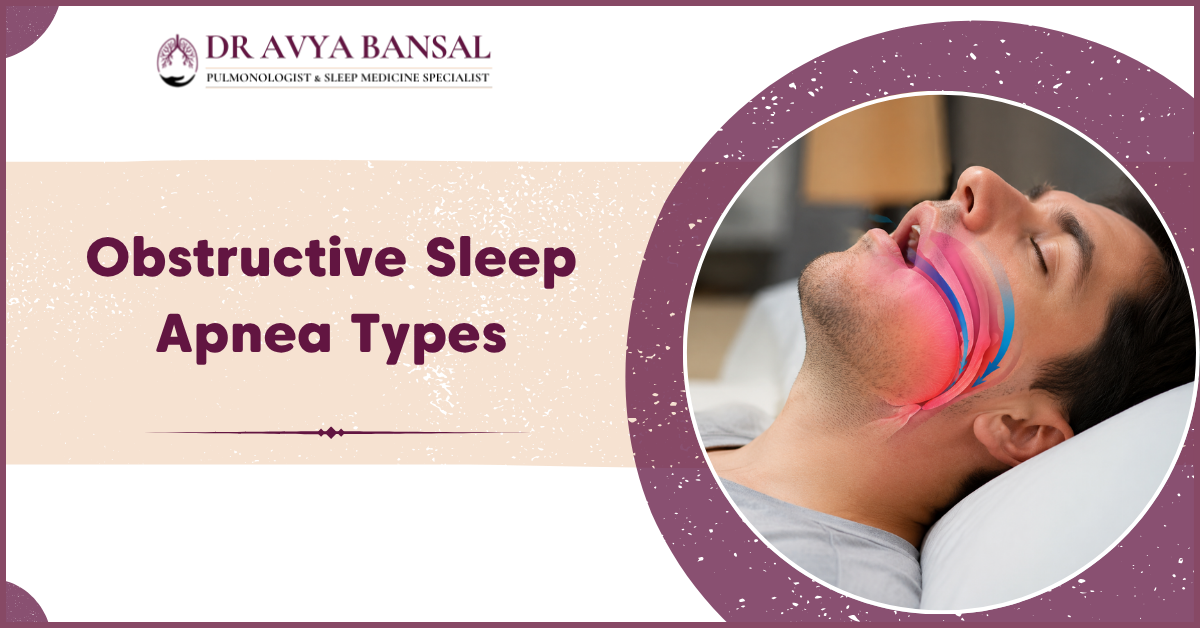
Sleep Apnea Types: Difference Between Obstructive and Central
Do you wake up tired even after sleeping for 7 to 8 hours?
Does your partner complain about loud snoring or pauses in your breathing during sleep?
These signs may point to sleep apnea, one of the most common yet overlooked sleep disorders today. Many people ignore the symptoms for years and assume poor sleep is normal. It is not.
Among all sleep conditions, Obstructive Sleep Apnea & Sleep Disorders are becoming increasingly common in adults. Early diagnosis can improve sleep quality, concentration, heart health, and daily energy levels.
This guide explains the difference between obstructive and central sleep apnea, their symptoms, causes, risks, and treatment options. You will also learn when to consult a Sleep Disorders Specialist in Mumbai like Dr. Avya Bansal for proper evaluation and care.
What is Sleep Apnea?
Sleep apnea is a condition where your breathing repeatedly stops and starts during sleep. These interruptions reduce oxygen levels and disturb normal sleep cycles. Many people do not realize this is happening because the episodes occur while they are asleep.
Over time, untreated sleep apnea can affect:
- Heart health
- Blood pressure
- Brain function
- Energy levels
- Mood and memory
The two main types are:
- Obstructive Sleep Apnea (OSA)
- Central Sleep Apnea (CSA)
Though both affect breathing during sleep, the causes are completely different.
What is Obstructive Sleep Apnea?
Obstructive Sleep Apnea is the most common form of sleep apnea. It happens when the muscles in the throat relax too much during sleep. This blocks the airway and reduces airflow into the lungs.
Your brain senses the drop in oxygen and briefly wakes you up so breathing can restart. These awakenings may happen dozens of times every hour.
Common Symptoms of Obstructive Sleep Apnea
- Loud snoring
- Gasping for air during sleep
- Morning headaches
- Dry mouth after waking up
- Daytime tiredness
- Poor concentration
- Irritability
Some people sleep for a full night yet still feel exhausted in the morning.
Causes and Risk Factors
Several factors increase the risk of Obstructive Sleep Apnea & Sleep Disorders:
- Excess body weight
- Large tonsils
- Smoking
- Alcohol consumption before sleep
- Nasal blockage
- Family history
- Aging
Men are more commonly affected, though women can also develop OSA, especially after menopause.
Why Obstructive Sleep Apnea Matters
Untreated OSA can increase the risk of:
- High blood pressure
- Stroke
- Heart disease
- Diabetes
- Depression
- Road accidents caused by daytime sleepiness
Many patients seek help only after symptoms begin affecting work performance or daily activities.
What is Central Sleep Apnea?
Central Sleep Apnea is less common but still serious. In this condition, the brain temporarily fails to send proper signals to the breathing muscles. The airway remains open, but breathing stops because the body does not make an effort to breathe.
Unlike OSA, loud snoring may not always be present.
Common Symptoms of Central Sleep Apnea
- Interrupted breathing during sleep
- Sudden awakenings
- Difficulty staying asleep
- Shortness of breath at night
- Daytime fatigue
- Trouble focusing
People with CSA often describe restless sleep without understanding the reason behind it.
Causes of Central Sleep Apnea
CSA is usually linked to other medical conditions, including:
- Heart failure
- Stroke
- Brain disorders
- Certain medications like opioids
- High-altitude sleeping
Older adults have a higher risk of developing central sleep apnea.
Obstructive vs Central Sleep Apnea: Key Differences
Understanding the difference helps doctors choose the right treatment plan.
| Feature | Obstructive Sleep Apnea | Central Sleep Apnea |
|---|---|---|
| Main Cause | Airway blockage | Brain signal problem |
| Snoring | Common | Less common |
| Breathing Effort | Present | Reduced or absent |
| Common Risk Factors | Obesity, throat anatomy | Heart or neurological conditions |
| Treatment | CPAP, weight loss, oral devices | Treat underlying condition, ASV therapy |
Both conditions can severely affect sleep quality and overall health if left untreated.
How Sleep Apnea is Diagnosed
A proper diagnosis requires a sleep evaluation. A Sleep Disorders Specialist in Mumbai may recommend a sleep study called polysomnography. This test monitors:
- Breathing patterns
- Oxygen levels
- Brain activity
- Heart rate
- Body movements during sleep
Home sleep studies may also help in selected cases.
Dr. Avya Bansal evaluates symptoms, medical history, and sleep patterns to determine the type and severity of sleep apnea before planning treatment.
Treatment Options for Sleep Apnea
Treatment depends on the type and severity of the condition.
Treatments for Obstructive Sleep Apnea
- CPAP Therapy: Continuous Positive Airway Pressure therapy keeps the airway open using gentle air pressure. It remains one of the most effective treatments for moderate to severe OSA.
- Weight Management: Even modest weight loss can reduce airway obstruction in many patients.
- Oral Appliances: These devices reposition the jaw and tongue to improve airflow during sleep.
- Surgery: Some patients may need surgery to remove excess tissue or correct structural problems in the airway.
Treatments for Central Sleep Apnea
Treatment focuses on correcting the underlying cause. Options may include:
- Adaptive servo-ventilation (ASV)
- Oxygen therapy
- Medication adjustments
- Managing heart or neurological conditions
Proper medical evaluation is important because CSA often signals another health issue.
Lifestyle Changes That Can Improve Sleep Apnea
Simple daily habits can make a difference:
- Sleep on Your Side: Back sleeping can worsen airway blockage.
- Avoid Alcohol Before Bed: Alcohol relaxes throat muscles and may increase breathing interruptions.
- Maintain a Healthy Weight: Excess fat around the neck can narrow the airway.
- Follow a Consistent Sleep Schedule: Irregular sleep patterns can worsen sleep quality.
- Quit Smoking: Smoking irritates and inflames the airway.
Lifestyle changes work best when combined with medical treatment.
FAQs About Sleep Apnea
Sleep apnea affects far more than your sleep. It can impact your heart, brain, energy levels, and overall quality of life. Understanding the difference between obstructive and central sleep apnea helps you recognize symptoms early and seek the right treatment. If you or a loved one struggles with loud snoring, daytime fatigue, or interrupted breathing during sleep, consulting an experienced specialist can make a major difference. With timely diagnosis and proper care from experts like Dr. Avya Bansal, better sleep and better health are possible.