
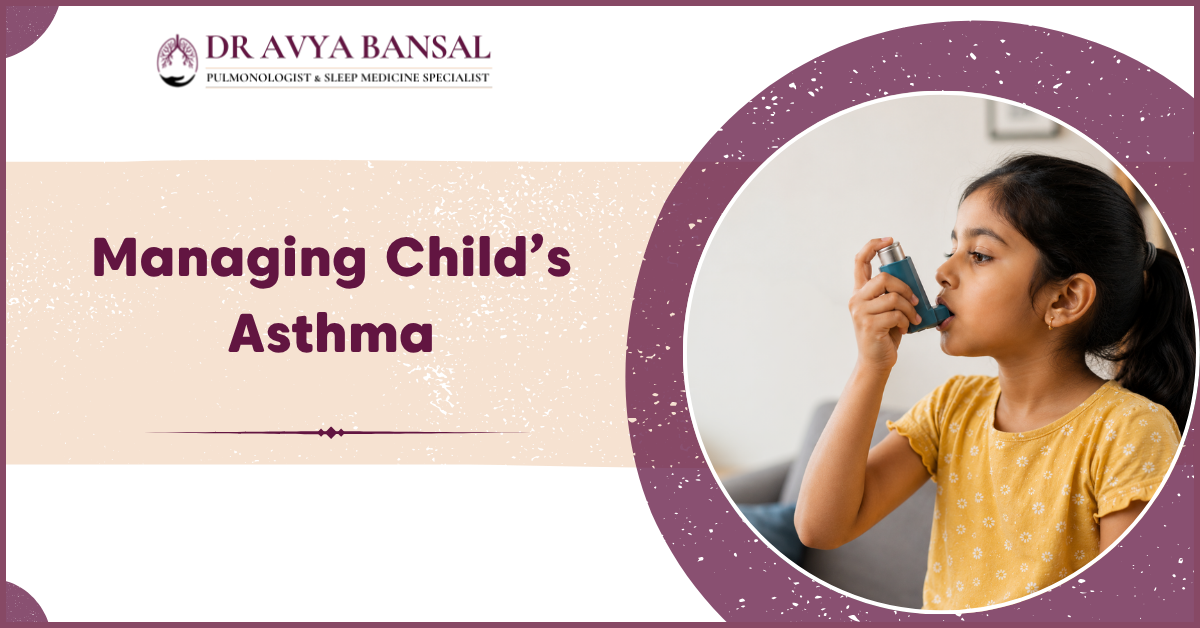
Managing Your Child’s Asthma: Symptoms, Care and Prevention Tips
Does your child cough more at night or get breathless while running and playing?
Many parents assume it is a seasonal allergy or repeated cold. In some cases, it may be asthma.
Childhood asthma is one of the most common long-term respiratory conditions. It affects how your child breathes, sleeps, plays, and attends school. Poorly managed asthma can lead to repeated hospital visits, missed school days, and stress for the entire family.
The good news is that asthma can be managed successfully with early diagnosis, proper treatment, and simple lifestyle changes. This guide explains the early symptoms of asthma in children, daily care tips, common triggers, treatment options, and ways to prevent asthma attacks at home.
What Is Childhood Asthma?
Asthma is a condition that causes inflammation and narrowing of the airways. When the airways become irritated, children may develop coughing, wheezing, chest tightness, or breathing difficulty.
Some children experience symptoms only during weather changes or exercise. Others may struggle with symptoms throughout the year.
Asthma symptoms can vary depending on age, triggers, and overall lung health.
Common asthma triggers in children include:
- Dust mites
- Air pollution
- Smoke exposure
- Pollen and seasonal allergies
- Viral infections
- Pet dander
- Strong fragrances
- Cold air
Children with allergies or a family history of asthma may have a higher risk of developing the condition.
If symptoms occur frequently, consulting a qualified Pulmonologist in Mumbai can help identify the exact cause and begin early treatment.
How to Tell if Your Child’s Cough Could Be Asthma
Many children with asthma do not show obvious symptoms in the beginning. Some may only have a persistent cough. Watch for these warning signs.
Frequent Nighttime Coughing
One of the earliest signs of asthma is coughing at night. If your child wakes up coughing several times a week, it should not be ignored.
Wheezing While Breathing
A whistling sound while breathing may suggest narrowed airways. Not every child with asthma wheezes. Some children only develop chest tightness or breathlessness.
Shortness of Breath During Play
Does your child stop running sooner than other children?
Do they avoid physical activity because they feel tired quickly?
Exercise-related breathing difficulty may be linked to asthma.
Repeated Chest Infections
Children with uncontrolled asthma often develop repeated cough or chest infections that take longer to recover.
Trouble Sleeping
Frequent nighttime symptoms can affect sleep quality, mood, concentration, and school performance.
Chest Tightness
Older children may describe a heavy feeling in the chest or difficulty taking deep breaths.
If you notice these symptoms regularly, proper evaluation is important. Early Asthma Treatment in Mumbai can help prevent symptoms from worsening over time.
Signs Your Child’s Asthma May Be Uncontrolled
Many parents assume asthma is controlled because symptoms come and go. In reality, mild symptoms can still indicate poor asthma control.
Your child’s asthma may not be properly managed if they:
- Use a rescue inhaler frequently
- Wake up coughing at night
- Miss school due to breathing problems
- Avoid sports or physical activity
- Get breathless while laughing or running
- Visit the emergency room repeatedly
Children with uncontrolled asthma often feel anxious during physical activities. Some become dependent on parents because they fear sudden breathing difficulty.
Regular follow-ups with a Pulmonologist in Mumbai can help adjust medications and improve symptom control.
How Asthma Is Diagnosed in Children
Doctors diagnose asthma using symptom history, physical examination, and breathing assessments.
Medical History Review
The doctor may ask about allergies, family history, nighttime coughing, or breathing difficulty during exercise.
Lung Function Tests
Older children may undergo spirometry tests to check airflow and lung function.
Allergy Evaluation
Identifying triggers like pollen, dust, or pet allergies helps improve asthma management.
Physical Examination
Doctors listen for wheezing and evaluate breathing patterns.
Parents often delay diagnosis because symptoms appear mild at first. Early diagnosis can reduce severe asthma attacks and improve long-term lung health.
Daily Care Tips for Children with Asthma
Asthma management does not stop after diagnosis. Daily care plays a major role in preventing flare-ups.
Use Medicines Correctly
Asthma medicines are generally divided into two types.
Controller Medicines
These reduce inflammation and help prevent symptoms.
Rescue Inhalers
These provide fast relief during sudden asthma attacks.
Many children use inhalers incorrectly. As a result, the medicine does not reach the lungs properly.
Spacer devices help children inhale medication more effectively.
Ask your doctor to demonstrate the correct inhaler technique.
Follow an Asthma Action Plan
An asthma action plan helps parents identify worsening symptoms early.
It usually includes:
Daily medications
Emergency instructions
Trigger management
Warning signs of severe asthma
Share the plan with teachers, babysitters, and caregivers.
Encourage Physical Activity
Children with asthma should not avoid exercise completely.
Physical activity strengthens the lungs and improves overall fitness.
Swimming, walking, and cycling are often well tolerated when asthma is properly controlled.
Track Symptoms
Keeping a symptom diary can help identify patterns and triggers.
Notice whether symptoms worsen during weather changes, exposure to dust, or viral infections.
7 Practical Ways to Prevent Asthma Flare-Ups at Home
Simple changes at home can reduce asthma attacks significantly.
1. Reduce Dust Exposure
Wash bedsheets weekly and clean soft toys regularly. Dust mites commonly trigger childhood asthma symptoms.
2. Avoid Smoking Around Children
Secondhand smoke irritates the airways quickly. Never allow smoking inside the home or car.
3. Improve Indoor Air Quality
Use exhaust fans and maintain proper ventilation. Strong room fresheners and cleaning sprays may trigger symptoms in sensitive children.
4. Control Pet Allergens
If pets worsen symptoms, keep them away from sleeping areas. Regular cleaning can reduce pet dander.
5. Prevent Seasonal Allergies
During pollen season, keep windows closed during peak hours and encourage children to wash hands and face after outdoor activities.
6. Protect Against Respiratory Infections
Frequent viral infections can trigger asthma attacks. Good hand hygiene and timely vaccinations may help reduce risk.
7. Watch Weather Changes
Cold air and sudden temperature changes may worsen symptoms. Covering the nose and mouth during winter can help some children breathe more comfortably.
What Parents Should Do During an Asthma Attack
Asthma attacks can become serious quickly. Parents should know the early warning signs.
Seek immediate medical help if your child:
- Struggles to speak properly
- Breathes very rapidly
- Shows chest retractions while breathing
- Develops bluish lips or fingernails
- Does not improve after using a rescue inhaler
During an asthma attack:
- Help your child sit upright
- Stay calm and reassure them
- Use the prescribed rescue inhaler
- Follow the asthma action plan
- Seek emergency care if symptoms continue
Delaying treatment during severe breathing difficulty can increase complications.
Common Asthma Myths Parents Still Believe
“My Child Will Outgrow Asthma Completely”
Some children improve with age, but asthma symptoms can return later in life.
“Inhalers Are Addictive”
Inhalers are safe when used correctly under medical guidance.
“Children With Asthma Should Avoid Sports”
Most children with controlled asthma can participate in sports safely.
“Only Wheezing Means Asthma”
Some children only develop persistent coughing or chest tightness.
When Should You See a Specialist?
You should consult a specialist if your child:
- Has repeated coughing episodes
- Experiences breathing difficulty during activity
- Needs frequent nebulization
- Wakes up coughing regularly
- Visits emergency services repeatedly
Consulting an experienced specialist like Dr. Avya Bansal can help identify triggers, improve treatment plans, and reduce asthma complications in children.
Parents looking for Asthma Treatment in Mumbai should focus on early diagnosis and regular follow-up care instead of waiting for symptoms to become severe.
FAQs
Conclusion
Managing childhood asthma requires awareness, consistency, and early care. Recognizing symptoms early and avoiding triggers can reduce asthma attacks and improve your child’s daily life. Proper medication use, regular follow-ups, and a healthy home environment can help children stay active and confident. With the right support and guidance from specialists like Dr. Avya Bansal, families can manage asthma effectively and help children breathe easier every day.