
Staying Healthy Before Lung Transplant: Nutrition & Infection Prevention
Introduction
Preparing for a lung transplant requires more than hospital visits and test reports.
Your daily habits decide how strong your body stays before surgery.
Nutrition, infection control, and lifestyle discipline play a direct role in transplant readiness.
If you are on the waiting list or under evaluation, even small changes can affect outcomes.
This guide explains practical steps to stay healthy before lung transplant.
It focuses on nutrition, infection prevention, and daily care routines that matter in real clinical settings.
You will also understand how a Pulmonologist in Mumbai guides patients during this phase and why specialists like Dr. Avya Bansal play an important role in pre-transplant care.
1. Understanding Pre-Transplant Health Goals
Before lung transplant, the goal is not just survival.
The goal is to make your body fit for major surgery.
Doctors focus on three key areas:
- Maintaining muscle strength
- Preventing infections
- Stabilizing weight and nutrition
Patients with chronic lung disease often lose weight without trying.
Breathlessness reduces appetite.
Fatigue makes cooking and eating difficult.
This is where pre-transplant planning becomes important.
A Pulmonologist in Mumbai usually monitors oxygen levels, lung function, and nutritional status together.
Even a small decline in weight or oxygen saturation can affect transplant readiness.
Ask yourself: Is your body gaining strength or slowly losing it?
2. Nutrition Strategy for Lung Transplant Patients
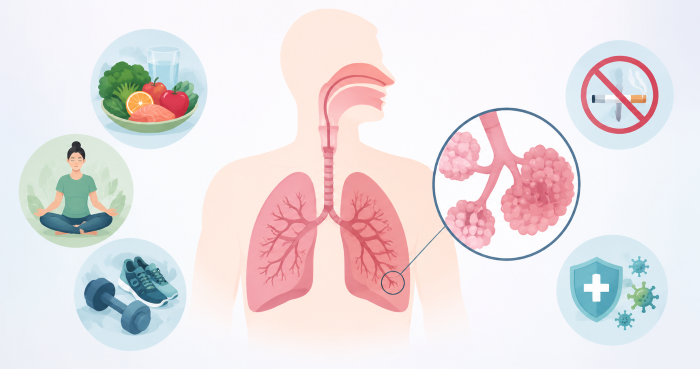
Food becomes medical support before transplant.
Your body needs energy to fight weakness and prepare for surgery.
High-protein intake
Protein prevents muscle loss in chronic lung disease.
Include:
- Eggs
- Chicken or fish
- Paneer or tofu
- Dal and legumes
A Pulmonologist in Mumbai often advises protein-rich diets for patients with low BMI or muscle wasting.
Small frequent meals
Breathlessness makes large meals difficult.
Eat 5–6 small meals instead of 2–3 heavy meals.
Example:
- Morning: soft oats with milk
- Mid-morning: fruit smoothie
- Lunch: rice, dal, vegetables, protein
- Evening: nuts or yogurt
- Dinner: light cooked meal
High-calorie nutrition support
Some patients need oral nutritional supplements when regular diet is not enough.
This helps maintain weight stability before surgery.
Hydration balance
Drink fluids in small intervals.
Avoid overhydration if advised due to lung or heart strain.
Why nutrition matters clinically
Poor nutrition can delay transplant eligibility.
In some cases, low muscle mass increases post-surgery recovery time.
3. Infection Prevention Before Lung Transplant
Infection is one of the biggest risks during the pre-transplant phase.
Even mild infections can delay transplant listing.
Hand hygiene discipline
Wash hands before eating and after returning home.
Use sanitizer when soap is not available.
Mask use in public places
Crowded environments increase exposure risk.
Use a mask in hospitals, travel, or closed spaces.
Food safety rules
Avoid:
- Raw or undercooked food
- Street food
- Unpasteurized dairy products
- Leftover food stored for long hours
Cook food fresh and serve immediately.
Home environment safety
Keep indoor air clean.
Avoid smoke exposure, incense, or strong chemical cleaners.
Pet and water precautions
Limit close contact with pets if immunity is low.
Drink filtered or boiled water only.
A Pulmonologist in Mumbai may adjust these precautions based on lung condition severity.
4. Lifestyle Habits That Improve Transplant Readiness
Daily habits influence surgical outcomes more than people realize.
Energy conservation techniques
Chronic lung disease causes fatigue quickly.
Break activities into short steps.
Rest between tasks.
Gentle physical activity
If oxygen levels allow:
- Short walks
- Breathing exercises
- Light stretching
Pulmonary rehabilitation is often recommended by specialists.
Sleep regulation
Poor sleep weakens immunity and slows recovery potential.
Maintain a fixed sleep schedule.
Stress management
Waiting for transplant can create anxiety.
Stress affects appetite and breathing patterns.
Simple techniques:
- Slow breathing exercises
- Music therapy
- Short relaxation breaks
A Pulmonologist in Mumbai may also coordinate with counsellors when needed.
5. Medical Monitoring and Specialist Care
Pre-transplant care is closely monitored.
Regular assessments include:
- Lung function tests
- Oxygen saturation tracking
- Blood tests for nutrition and infection markers
- Weight and BMI monitoring
Specialists like Dr. Avya Bansal, a Pulmonologist in Mumbai, often evaluate whether a patient is stable enough for transplant listing.
They adjust medications, oxygen support, and nutrition plans based on disease progression.
Timely follow-ups help avoid sudden complications.
Even a small infection or weight drop can change treatment decisions.
6. Preparing Mentally and Physically for Surgery
Transplant readiness is not only physical.
Mental preparation matters equally.
Patients should:
- Understand the recovery process
- Follow medication schedules strictly
- Stay consistent with diet plans
- Attend all medical appointments
Clear communication with your care team reduces confusion.
Your doctor adjusts plans based on your daily condition.
A stable routine improves transplant outcomes.
FAQs
Conclusion
Staying healthy before lung transplant depends on consistent nutrition, infection control, and medical guidance.
Your body needs strength to handle surgery and recovery.
Daily habits like eating protein-rich meals, avoiding infections, and following specialist advice make a real difference.
A in Mumbai plays a key role in guiding this process, ensuring patients remain stable and ready for transplant evaluation.
With structured care and discipline, you can improve your readiness for a successful transplant journey.