
How to Identify Asthma Triggers: Avoid & Prevention Tips for Better Breathing
Introduction
Have you ever wondered why your asthma symptoms suddenly worsen even when you are following your medicines regularly? A dusty room, seasonal changes, air pollution, strong smells, or even stress can trigger breathing problems.
Identifying asthma triggers is one of the most important steps in preventing asthma flare-ups. Every person may react differently to certain triggers, which makes understanding your own symptoms important.
This guide explains common asthma triggers, how to identify them, practical ways to avoid exposure, and when you should consult a specialist for better asthma control.
What Are Asthma Triggers?
Asthma triggers are substances, conditions, or activities that irritate your airways and cause inflammation. When your airways become sensitive, they can narrow and make breathing difficult.
Common asthma symptoms after exposure to triggers include:
- Coughing
- Wheezing
- Chest tightness
- Shortness of breath
- Difficulty breathing during physical activity
Asthma triggers do not affect everyone in the same way. Some people experience symptoms after exposure to allergens, while others react to weather changes, pollution, infections, or physical activity.
Understanding what affects your breathing can help you prevent unnecessary asthma attacks.
How Can You Identify Your Asthma Triggers?
1. Track Your Symptoms Through an Asthma Diary
One of the easiest ways to identify asthma triggers is by maintaining a symptom diary.
Record:
- When your symptoms start
- Where you were when symptoms appeared
- Activities you were doing
- Weather conditions
- Possible exposure to dust, smoke, or chemicals
- Severity of breathing problems
For example, if you notice coughing and chest tightness after cleaning your home, dust exposure may be a possible trigger. A detailed record helps your doctor understand your asthma pattern and create a suitable management plan.
2. Notice Environmental Changes Around You
Your surroundings can influence your asthma symptoms.
Ask yourself:
- Do you experience breathing problems during weather changes?
- Does pollution increase your symptoms?
- Do perfumes, room fresheners, or cleaning sprays irritate your breathing?
- Do symptoms increase when you spend time outdoors?
Recognising these patterns can help you take preventive steps before symptoms become severe.
3. Identify Allergy-Related Triggers
Many people with asthma also have allergic reactions that affect their airways.
Common allergic asthma triggers include:
- Dust mites
- Pollen
- Mold
- Pet dander
- Cockroach particles
An allergy evaluation can help identify specific triggers. A qualified respiratory specialist, such as a Pulmonologist in Mumbai, can guide you with appropriate testing and treatment options.
Common Asthma Triggers and Ways to Avoid Them
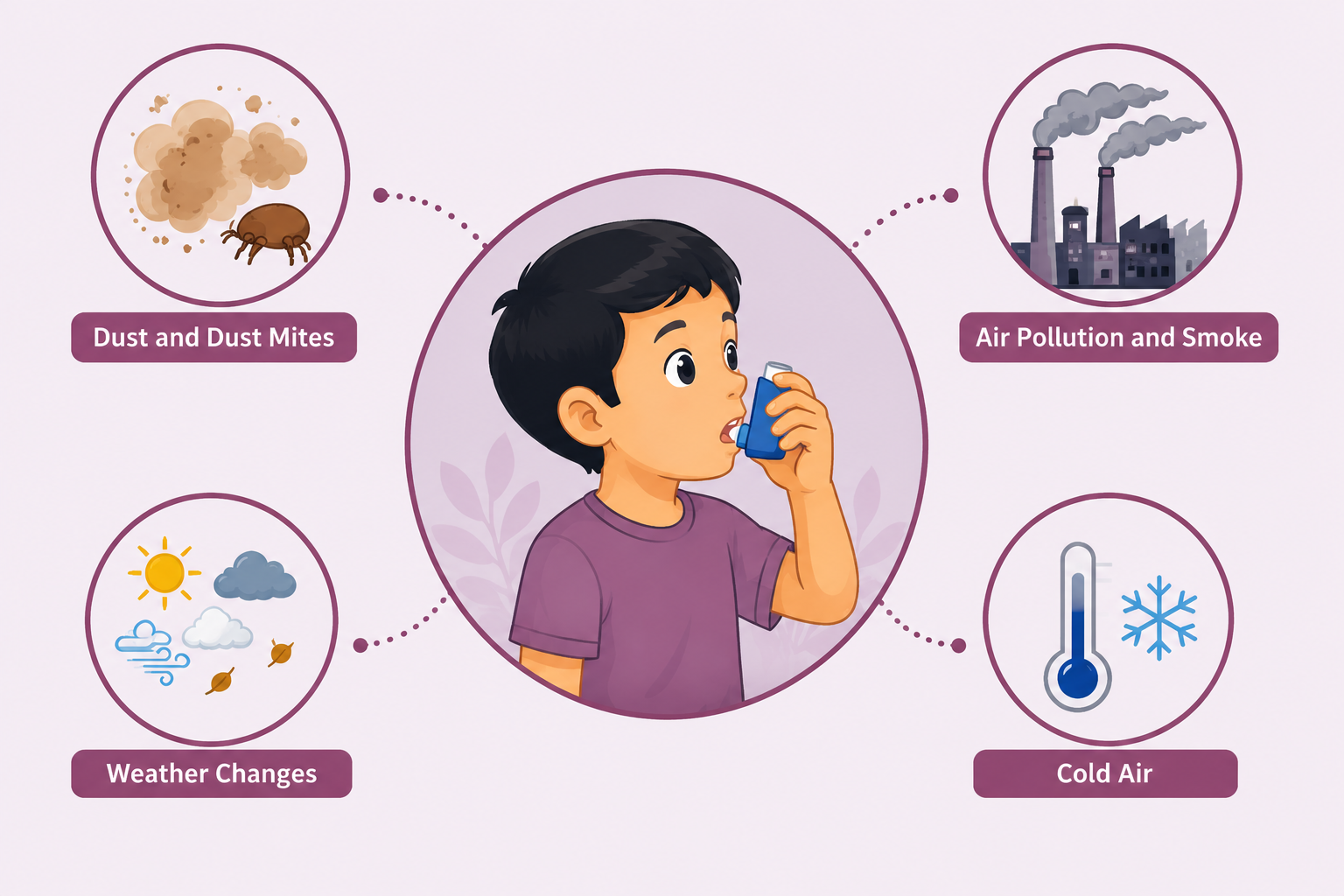
Dust and Dust Mites
Dust is one of the most common indoor asthma triggers. Dust mites often live in mattresses, pillows, carpets, and soft furniture.
To reduce exposure:
- Wash bedsheets regularly with warm water
- Use dust-resistant covers for mattresses and pillows
- Reduce unnecessary carpets and heavy curtains
- Clean surfaces with a damp cloth
- Avoid keeping items that collect dust
Keeping your home clean can reduce exposure to allergens that may worsen asthma symptoms.
Air Pollution and Smoke
Air pollution is a growing concern, especially in urban areas. Smoke from vehicles, cigarettes, construction dust, and burning materials can irritate the airways.
To protect your lungs:
- Check air quality before outdoor activities
- Avoid areas with heavy traffic pollution
- Stay away from cigarette smoke
- Keep indoor air clean and well-ventilated
People living in cities often require personalised advice for managing pollution-related asthma symptoms. Consulting a Pulmonologist in Mumbai can help you understand how environmental factors affect your breathing health.
Weather Changes and Cold Air
Cold and dry air can trigger airway narrowing in some asthma patients.
You can reduce symptoms by:
- Covering your nose and mouth during cold weather
- Breathing through your nose to warm the air
- Avoiding sudden temperature changes
- Following your prescribed asthma medicines
Weather-related triggers are common, but proper planning can help reduce their impact.
Why Does Asthma Get Worse at Night?
Many people notice increased coughing or breathing difficulty during nighttime.
Night-time asthma symptoms may occur due to:
- Increased airway sensitivity during sleep
- Exposure to bedroom allergens
- Poor asthma control
- Cold nighttime air
If asthma symptoms frequently disturb your sleep, it may indicate that your condition needs better management.
A doctor specialising in Asthma Treatment in Mumbai can evaluate your symptoms and suggest suitable changes to your treatment plan.
Asthma Prevention Tips You Can Follow Every Day
Follow Your Prescribed Treatment Plan
Asthma is a long-term condition that requires consistent management.
Take your medicines as advised by your doctor. Do not stop inhalers or change doses without medical guidance, even if your symptoms improve.
Improve Indoor Air Quality
Small changes at home can make a difference.
Try to:
- Prevent mold growth by fixing water leaks
- Avoid strong perfumes and chemical sprays
- Reduce indoor smoke exposure
- Maintain proper ventilation
Common household items such as incense sticks, mosquito coils, and air fresheners can irritate sensitive airways in some people.
Exercise Safely
Exercise can trigger symptoms in some asthma patients, but staying active is possible with proper planning.
Helpful steps include:
- Warm up before exercise
- Choose activities suitable for your fitness level
- Keep prescribed medicines available if advised
- Discuss exercise-related symptoms with your doctor
Learn Proper Inhaler Technique
Many patients do not receive the full benefit of their inhalers because of incorrect technique.
Ask your doctor to check your inhaler method regularly. Correct inhaler use helps deliver medicine effectively to your lungs.
When Should You Consult a Doctor?
You should consult a respiratory specialist if:
- Your asthma symptoms are becoming more frequent
- You wake up at night due to breathing problems
- You need your rescue inhaler often
- Your daily activities are affected
- Your current medicines are not controlling symptoms
A specialist can identify your triggers, assess your lung health, and recommend appropriate treatment.
For patients looking for expert guidance, Dr. Avya Bansal provides consultation for respiratory conditions and helps patients understand asthma management based on their symptoms and lifestyle factors.
FAQs About Asthma Triggers
Conclusion
Identifying your asthma triggers is an important step toward better breathing control. By tracking symptoms, improving your surroundings, avoiding known triggers, and following your treatment plan, you can reduce the chances of asthma flare-ups.
Asthma management is different for every person. With guidance from an experienced respiratory specialist and the right approach to prevention, you can control symptoms and maintain an active lifestyle.
If you are experiencing frequent asthma problems, consult a qualified doctor for personalised advice and treatment support.